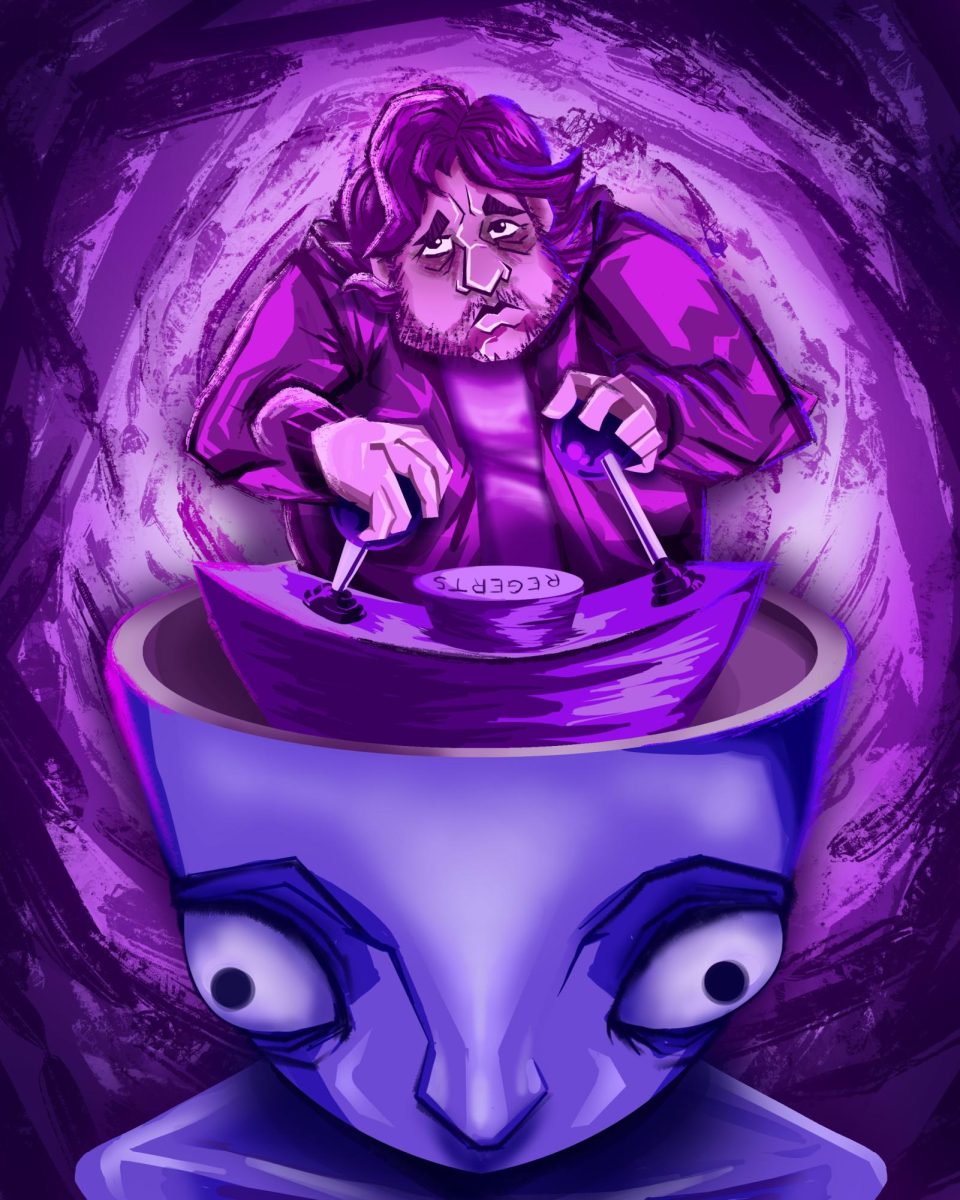
Growing up in the ‘90s, there were two things you could definitely count on: every household having at least one computer that took 10 minutes to turn on and mental health resources were almost nonexistent.
But the instructions came anyway.
“Pay attention. Stop overthinking it. Just try harder.”
It wasn’t until many years later that I understood how powerful the process of ‘naming’ was.
Because before ADHD or OCD even had names, my experiences were already being called to me as lazy, irresponsible, or a failure.
Those phrases followed me through my classrooms, report cards and conversations that were supposed to be helpful. They were offered as solutions, even though they explained nothing.
No one really stopped to ask what it felt like to live inside the paradox of a mind that moved too fast in some moments and felt completely stuck in others.
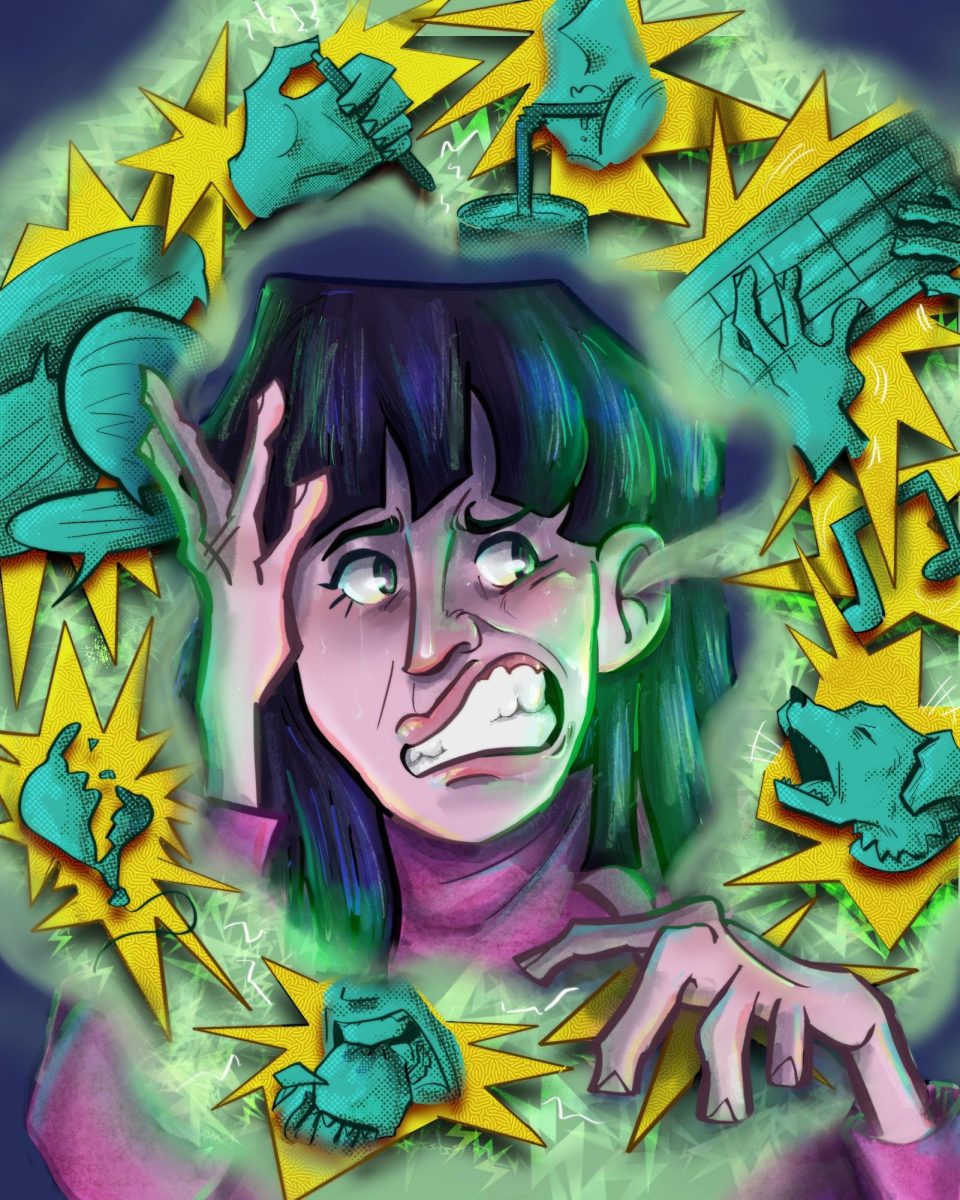
ADHD meant my attention did not operate in straight lines. It jumped, lingered and made unexpected connections.
OCD meant my thoughts didn’t know when to let go. Once something has lodged itself in my head, it lives there, looping and demanding certainty in a world that rarely offers it.
Neither of these experiences fit kindly into the instructions I was given.
Trying “harder” never made my brain quieter. Paying attention didn’t stop the spiraling. Over time, the message I absorbed was: effort should be enough, and when it wasn’t, I was always to blame.
So I adapted. I masked. I learned how to appear focused and on top of my shit even when my mind was elsewhere. I learned how to hide the embarrassing rituals, the loops, the constant checking, and the shame.
From the outside, it looked like discipline. Inside, it felt like exhaustion.
Instructions Without a Manual
For me, ADHD did not look like bouncing off the walls.
It looked like: always being late to places, even when I cared deeply about being on time. Eventually, it sort of became a family joke to tell me events started an hour earlier than they actually did, just to make sure I arrived on time. Plot twist: I’d still be late.
It looked like doing everything at the last possible minute, down to the second, not because I didn’t want to prepare, but because my brain didn’t fully wake up until that urgency flipped the switch. Fight or flight became my only reliable motivator.
Deadlines didn’t motivate me. They activated me.
People often said I look like I’m “always on the go,” as if movement was a personality trait. What they didn’t see was that stillness I felt that made my thoughts louder.
Being busy wasn’t about productivity. It was about regulation.
I constantly craved caffeine. Black coffee. Triple-shot espresso. Energy drinks. Pre-workout. Anything that promised a little boost of focus.
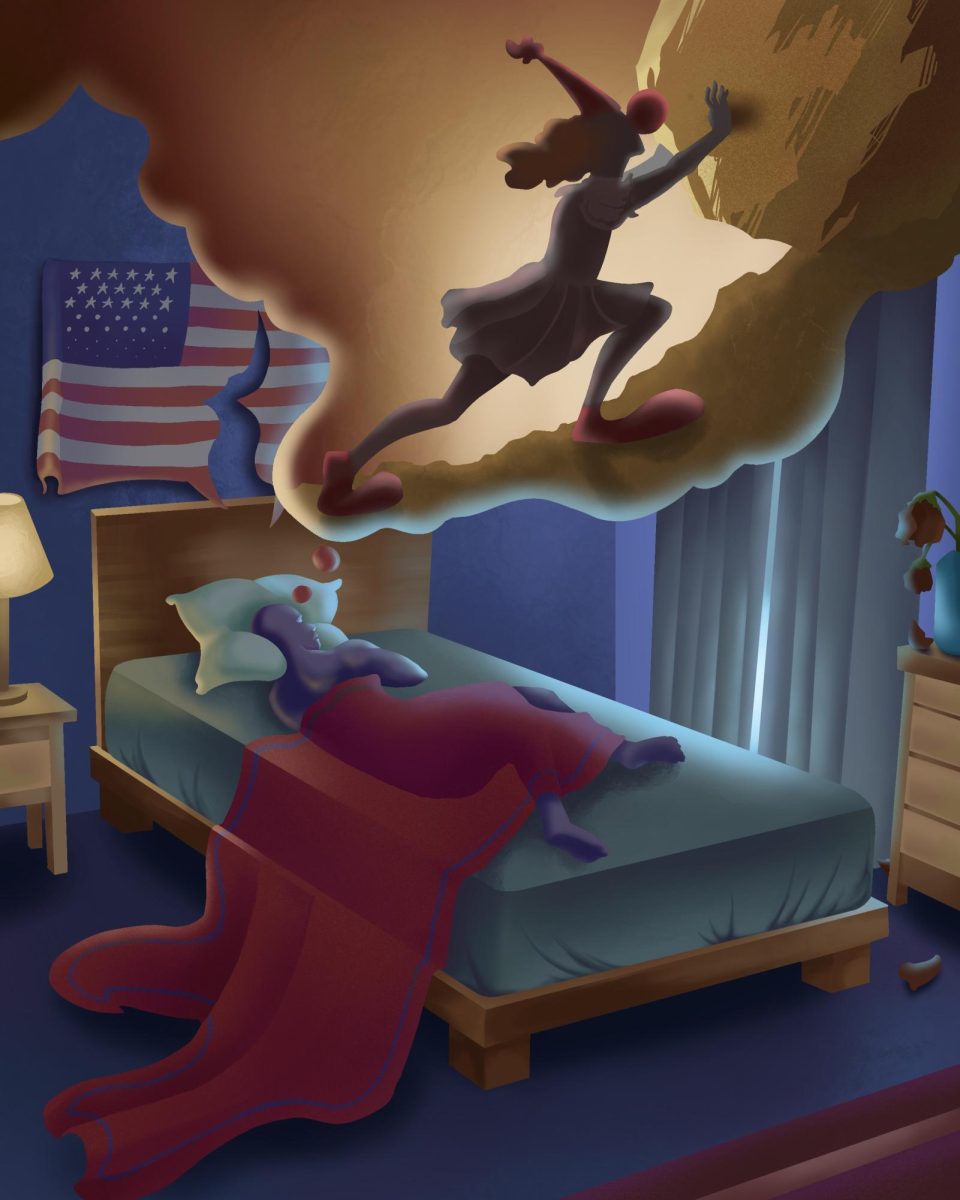
And yet, after my third energy drink of the day, I could fall asleep like a baby without trying. The thing that was supposed to wake me up often did the opposite.
My body exhausted. My mind still racing.
I would walk into a room with a clear intention of getting something and forget it instantly. I’d stand there, scanning the space, trying to reverse-engineer my own thoughts. It wasn’t carelessness. It was like the signal dropped the moment I crossed a threshold. People joked about this too. I learned to laugh.
The ADHD assessment later confirmed what I had already lived. I scored incredibly high on impulsivity. Decisions made quickly. Words spoken before I could edit them. Ideas chased intensely, then dropped when momentum vanished. Again, I treated this as a flaw. Another reason to try harder.
OCD added another layer.
My mind did not trust completion. Checking something only one time never felt enough. I would check the windows. Then the doors. Then check them again. And again. And again. And again. And again. And again. And even after checking, doubt lingered.
Did I really lock it, or did I just think I did? Was that memory accurate, or did my brain fill in the gap? And the more I checked, the less certain I felt.
What I didn’t understand at the time was how these patterns fed into each other. ADHD pulled my attention in every direction imaginable and OCD demanded certainty and control.
One created chaos. The other tried to manage it.
And I was caught in the middle, blamed for both.
Although, the hardest part wasn’t the symptoms themselves. It was growing up without a framework to understand them.
Learning by Unlearning

It wasn’t until I took an ethnic studies course at Mt. SAC that I was given the framework I didn’t realize I was missing.
For such a long time, I treated my struggles as personal defects. “User Error”.
School reinforced that idea.
If I couldn’t focus, they said I lacked discipline. If I fixated, they said I needed better self-control.
The environment was never questioned and the expectations were treated as universal as if equity and inclusion never existed.
Ethnic Studies disrupted that logic.
What I did not realize was that the story I had been telling myself wasn’t neutral. It was the dominant storyline. The one that explained my struggles as personal failure and treated differences as deficiency.
Learning to recognize these counterstories gave me a way out of that narrative. Counterstories didn’t erase my lived experiences. They reframed it by showing me that what I had internalized as weakness was often the result of systems that never accounted for people like me.
It taught me to look at systems before blaming individuals. To ask who decided what “normal” looked like, whose ways of thinking were rewarded, and whose were corrected.
Then, once I applied that lens to my own life, the story changed for the better. My brain wasn’t failing a neutral system. It was navigating one that only recognizes a narrow path of learning, focusing and existing. That realization didn’t erase my ADHD or OCD. But it gave them context.
And context made room for compassion.
Sacrifice, Shame and Prayer
That compassion deepened when I started thinking about my family.
I grew up Filipino American in a household shaped by migration, sacrifice, and endurance. Mental health was not something we would talk about openly.
Not because it didn’t matter, but because “survival” always came first and your strength was measured by how much you could carry without complaint.
When I was really struggling, my family responded with what they knew.
“Work harder. Just stay busy. Be grateful. Don’t think about it.”
And my all time favorite: “Just pray.”
These weren’t dismissals. They were tools that had worked for them in a world that never offered many other options.
Concepts like “utang na loob”, the deep sense of gratitude and obligation to family, shaped how I carried my struggles. If I seek help, I am burdening people who have already sacrificed everything.
There was also “hiya” (translates to shame in Tagalog) which became the quiet force that teaches you to keep family matters private and protect harmony at all costs.
Faith played a big role too. Prayer was offered as comfort and grounding.
And sometimes, it helped. But I became resentful when prayer became the only response.
It replaced conversations that never had the language to begin with.
Ethnic Studies helped me see that my family wasn’t failing me. They were just operating inside of a system that had already taught them what was reasonable expectations, what was safe to name, and what was better left unspoken. Mental health resources weren’t just scarce. They were culturally inaccessible. That realization didn’t excuse the harm done, but it explained it.
An explanation opened the door to compassion.
Too Filipino. Too American. Always Both.
That understanding expanded even further when I began thinking about identity.
I was raised traditionally Filipino in many ways.
At home, I spoke broken Tagalog with my grandma, with a mixture of English words, half-remembered phrases, and meaning more than grammar.
Food, respect for elders, taking your shoes off in the house, family gatherings and obligation shaped my upbringing.
At the same time, I grew up being immersed in American culture and American education. The values rewarded in school rarely reflected where my family came from. Outside my home, I was expected to think, speak, and move in ways that didn’t always align with how I was brought up..
I also grew up in Los Angeles, in a predominantly Hispanic community. Spanish was way more common than Tagalog. Latino culture shaped my environment, my friendships, and my sense of place. I felt connected, but still different.
Too American for Filipinos. Too Filipino for Americans.
For a long time, I treated that tension as personal failure.
Ethnic Studies helped me understand it wasn’t accidental. Learning about colonization, migration, and diaspora gave language to what I had always felt inside.
“Know history, know self.”
As I learned more about Filipino history, colonialism and displacement, my own identity became much more clear. I stopped measuring my Filipinoness by fluency of my native language or proximity to tradition.
I stopped treating my “pinoy authenticity” like Lola’s Seafood City checklist, just something to check off after another.
I am Filipino enough because I live the consequences of that history. Because my family carries it.
Because my questions come from it.
Ethnic Studies didn’t give me an identity.
It gave me permission to claim the one I already had.
Moving Forward Without Leaving Ourselves Behind
Understanding these systems didn’t make my ADHD or OCD just… disappear. It didn’t undo the many years of hurt and misunderstanding.
What it did was change the direction of my healing.
Instead of asking how I can fix myself, I began asking how to care for myself inside a world that was never designed with me in mind.
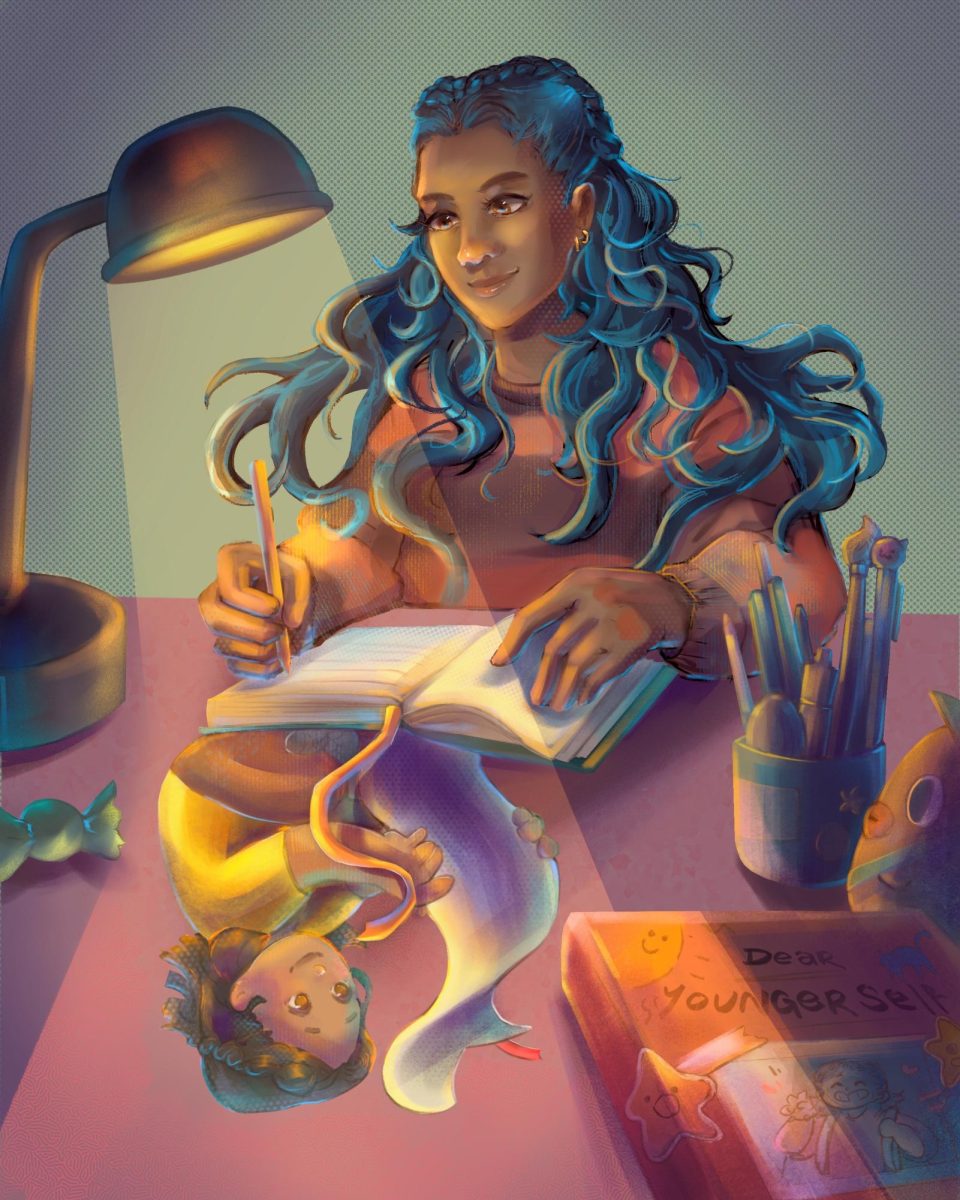
Healing doesn’t require rejecting where you come from. It requires understanding it deeply enough to grow beyond its limits.
For Fil-Ams like me, that means honoring the strength of our families while also naming what endurance alone cannot carry.
The future I imagine is not one where culture and care are in conflict. It is one where they can work together. A place where seeking help is not weakness or ingratitude, but continuation.
I still carry my ADHD.I still carry my OCD. I still carry my culture.
What has changed is how I carry them.
With more understanding. With more gentleness. With the knowledge that healing does not mean becoming someone else.
It means finally being allowed to be whole.
Because healing is not about “becoming” but uncovering something that was never lost.