What is a performative male?
In an age of social media and trend cycling never quite seen before, a certain genre of man has risen as the go-to look for young men looking to veer away from traditionally masculine stereotypes.
In a new take on masculinity, the “performative male” presents himself softly and cleanly, often displaying the arts such as literature, music or fashion.
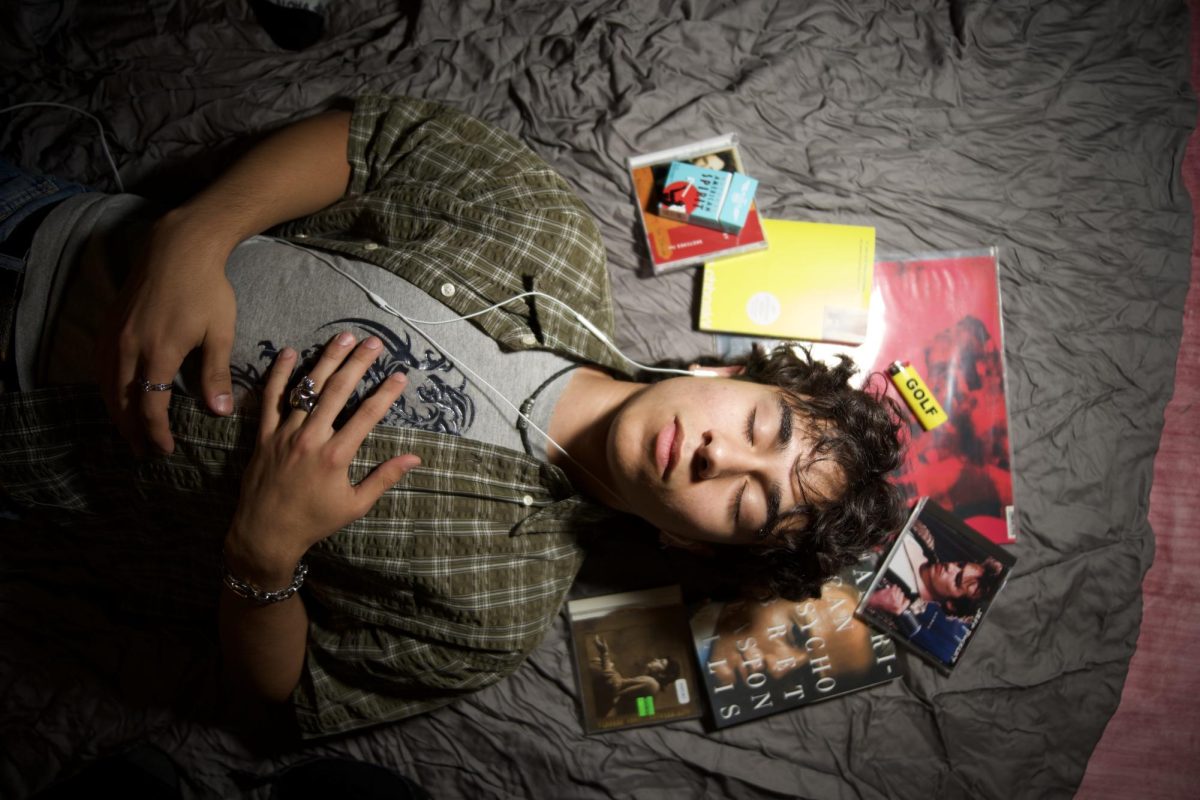
The uniform of the stereotype goes as follows: mid-length or shaggy hair, plaid button-up or simple zip-up jacket, loose-fitting washed blue/black jeans, boots (usually Doc Martens), accessories such as wired headphones, silver jewelry, a tote bag (with feminist literature), cigarettes and matcha.
The trend mainly rose on TikTok and Instagram in 2025, and while originally and continually satirized, it has seen a lasting impact on male fashion and identity as a whole.
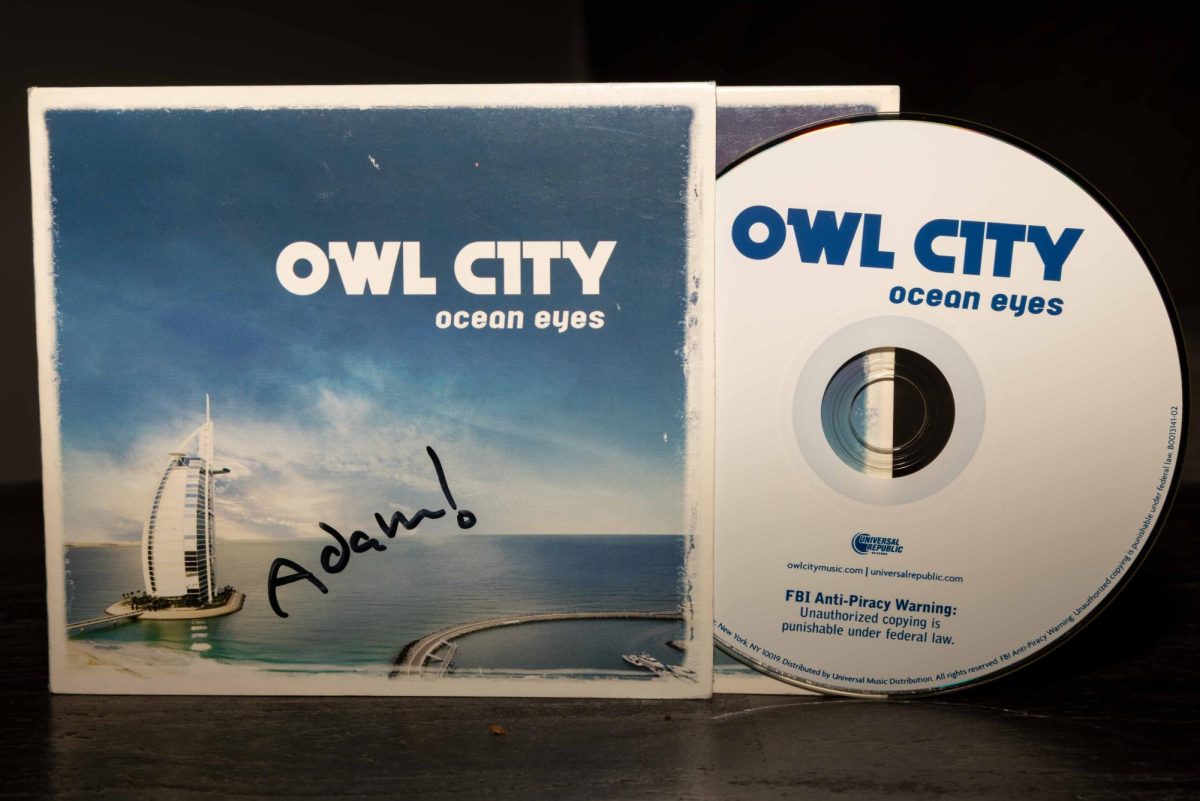
Originally, the “male manipulator” term spread in online music spaces in the early 2020s. The average “male manipulator” listened to artists such as The Smiths, Radiohead and My Bloody Valentine. The term was lobbied as a critique on men who perceive their music taste to be much deeper than it actually is and a critique of those who leverage their taste in attempts to score romantic attraction.
This came off the back of “softboi” aesthetics that arose around the popularity of musical.ly in the mid 2010s. Creators like Jacob Sartorius, Sebastian Bails and Jacob Martin were among the top musical.ly creators that presented themselves in a softer, more friendly way, akin to and laying the seeds for modern performative males.
And with these two online cultural zeitgeists came the modern turn of phrase, the “performative male.”
Political influence on male presentation
While it can be seen as merely a performance – hence the term performative – this stereotype of man aligns with shifting cultural values in the United States and within Gen Z.
However, young men have seen demographic shifts toward right-leaning policies. With the rise of internet grifters such as Ben Shapiro and Steven Crowder, young men have been the focus group of a variety of political figures and outreach groups.
This calls into question the authenticity of men presenting themselves in this way. Are men simply trying to present themselves as following Gen Z views on liberal policies?
Gen Z has been largely socially liberal in many voting trends, such as climate change and abortion access, coinciding with a rise in a more liberal sense of masculinity.
Men no longer need to be the rugged aggressors of society. Within this look, this stereotype of men is defining itself as well-meaning people in touch with their emotional side, unlike their fathers of old.
Common critiques
The “performative male” stereotype has been criticized for appearing inauthentic. It can be argued that some men only dress and act this way in order to garner romantic attraction.
The main critique is that for some men, it is only for show. There’s no introspection beyond the surface level interpretation of what their presentation garners. The stereotype being so rigid also disallows a unique quality that great expression is built upon.
Also, the “performative” look has no real roots in anything regarding music or larger pop culture. It mainly is a look curated from TikTok and Pinterest fashion boards, with no real meaning behind fashion choices nor lifestyle.
Other subcultures tend to live a lifestyle that aligns with their moral and cultural values. Performative men have no real perceived values beyond fashion, music preferences and literature choice. This is more of a facade and aesthetic rather than a true niche or subculture.
It is true that for some men, it is only a facade. Multiple videos and images have circulated online poke fun of obviously “performative” men.
Men who read feminist literature in public are clearly trying to “prove” that they are, in fact, engaging in feminist thought. This same line of thinking applies to men on social media who purposefully curate accounts that are more aesthetic or softer in nature, clearly trying to portray themselves as more introspective and emotional.
This has ignited a trend of people parodying the “performative male” archetype. Creators now purposefully record themselves participating in performative activities, such as drinking matcha or reading feminist literature in a referential way, as a way to throw in their own critiques while also getting attention to their profiles.
But critiques of the stereotype can do more harm than good. In preventing men from expressing themselves in more effeminate ways, albeit inauthentic, critics of the stereotype are reinforcing harmful values of how men should present themselves.
It does more harm than good for these men to be told that their way of presentation is wrong. If these presentations of oneself are indeed authentic and true to character, then the judgement is misplaced.
Men should be encouraged to earnestly pursue connections outside of their traditional gender roles, such as feminist literature or the arts. Men should also be encouraged to not listen to extremists such as Andrew Tate, who has leveraged his own critiques of the stereotype.
By telling men “to be a real man,” would-be allies to the feminist cause or other reform movements become alienated from supporting these reforms. Critiques regarding the actual content of being “performative”, rather than critiquing men themselves for being performative, only do more harm than good.
Why are so many men performative?
Some men may buy into it as a way to identify as part of a group and socialize. If multiple men that are both interested in the same type of fashion, music or the arts are in public, then it would be an easy gateway into attaining recognition and friendship between them.
Furthermore, it’s also an easier subculture to get into, with less barrier of entry. Other niches, such as scene kids or a typical SoCal skater punk require much more alterations regarding expression. Presenting oneself in a “performative” manner only requires certain aspects of a presentation change, whereas other, more historically rooted subcultures require major lifestyle and attitude changes in order to not be seen as a “poser”.
The fact that the aesthetic of being a “performative man” exists mainly on social media lends itself for mass appeal. Whereas other subcultures are gatekept online for the sake of keeping subculture purity, the aesthetics of being a “performative man” are relatively easy to become engrossed in.
Of matcha and men
The idea of the performative man has existed in some capacity since the formation of organized society.
Some men could have theoretically always been performative throughout history, obviously in much different ways to what we have now. Men could, at any time, put on a character in order to appear differently in a public setting.
But the specific look of the “performative male” we see today is a purposeful subversion of male stereotypes, while still falling in line to a degree.
The look of the “performative male” isn’t anything particularly divisive nor controversial, and yet it still seems to be the topic of discussion regarding male fashion and aesthetic choices.
Whether critiqued or followed, the “performative male” stereotype has left its mark on online culture and discourse.
But offline, some men will continue putting on a performance regarding their beliefs and presentation. They will continue to live life forever being an obvious culture vulture that stands for nothing and is interested in everything.
Some men will also continue living their lives authentically. Although looking “performative,” some men live authentically while adhering to this online subculture, as weird as that may be. They have found a niche that represents them and aren’t rattled by critiques and jokes at their expense.
A harmless niche, one that ultimately only exists online. A niche that promotes being politically aware and fashionable, one that isn’t only a performance, but a lived reality.
While it may be the case for some men, that it is only a performance, men expressing themselves in a healthier way than ever before is a cause for celebration.