I remember on Christmas in 2007, my grandpa told me books were dead.
Paca –what we called my grandpa because when I was little, I couldn’t say my R’s — was a scientist, had a Ph.D. and had been elected to the National Academy of Sciences. I had no reason not to trust him.
A few hours after he pronounced books dead at the scene, I finally understood what he meant.
A big, but not yet massive, Amazon had just released the Kindle. And Paca had gotten one for Christmas.
After everyone had opened gifts and the excitement of new toys had worn off, my grandpa showed me three full-length books he had in his office and told me that “they’re in here now. I can take all three of these with me anywhere I go.”
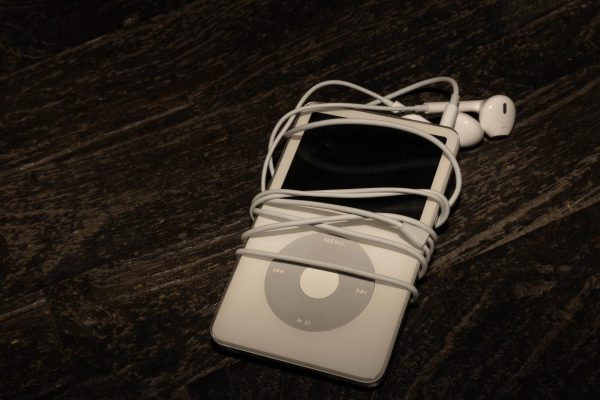
I didn’t know it at the time, but that was the first experience I had with watching technology evolve in a groundbreaking way. I couldn’t comprehend the fact that multiple books could fit inside something the size of a mousepad.
As far as I’m concerned, the death of physical media started there.
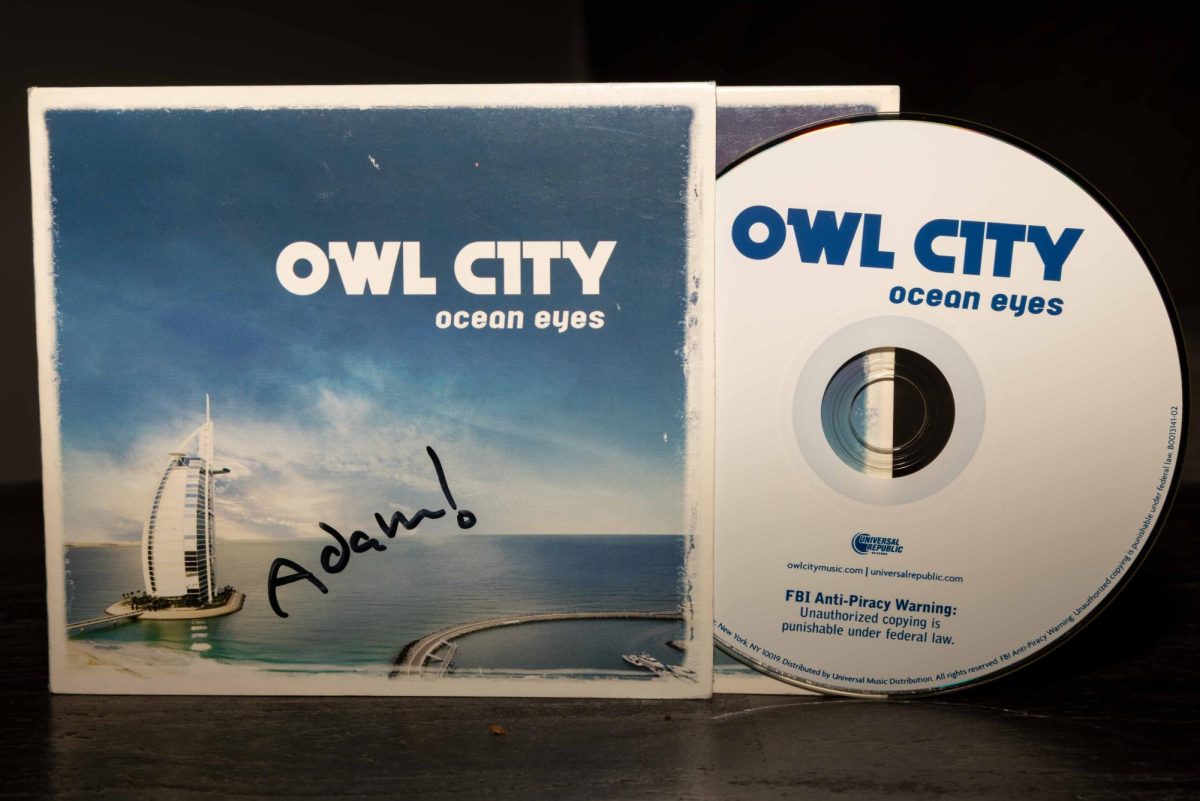
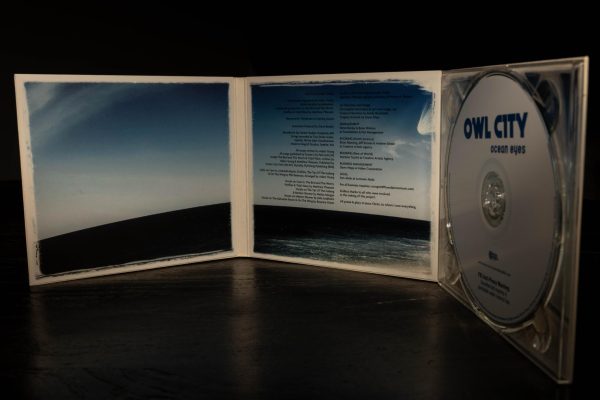
Following the launch of the Kindle, Spotify was released in 2008, which changed music forever. I remember buying “Ocean Eyes” by Owl City on CD at my first ever concert and getting it signed. By 2012, CDs like mine didn’t have a place in culture anymore. The iPhone, iPod and Spotify rendered them obsolete. I even remember buying Owl City’s third album on the iTunes store, just for a few years later to not even need those downloads anymore.
The newspapers Paca would read started to go away. My grandma would cut out clippings and comics she thought I’d like from the Los Angeles Times, but once everything went online, those started to dwindle. A few comics a month turned into one every few weeks.
My friends and I used to camp outside GameStop to wait for the new Call of Duty or Assassin’s Creed in elementary and middle school. Playing Nintendo 64 and the Wii trained me to blow dust out of cartridges or clean off a scratched-up disc. By the time high school hit, everything was a click, credit card number and download away from being played. No physical disc needed.
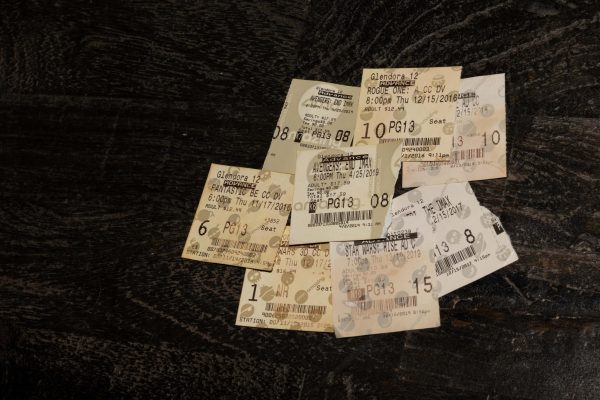
I vividly remember going to Blockbuster to rent movies, walking to my local Redbox with my friends and even getting Netflix DVDs in the mail as a kid. But when Netflix made it big with just streaming movies right to your TV, the move to an all-digital, zero-friction media diet wasn’t as grand or definitive as my grandpa had made it sound.
The death of physical media happened slowly, then all at once.
And with the death of physical media, came the birth of the subscription. And once subscriptions got all grown up, what really died was ownership.
I went from skipping school and having my dad take me to Barnes & Noble, so I could pick up my reserved copy of “The Son of Neptune,” to songs just disappearing off Spotify now. Movies leave streaming, episodes on Netflix are changed. There are entire websites and communities of people dedicated to finding, saving and preserving lost media.
We don’t own anything anymore. And we haven’t for a long time. My grandpa’s books on Kindle were exciting and a technological revolution, but he paid Amazon to “have” those books.
While it wouldn’t have been in Amazon’s interests to turn off my grandpa’s Kindle, they could have. In the same way that Netflix can pull a show, Amazon could have simply turned off my grandpa’s access to his books. Your favorite show or movie could leave streaming and without a physical copy, you might never see it again.
And I’m no stranger to the convenience of digital media. While I have incredible memories of waiting for video games to be handed to me at the counter, I also grew up on YouTube. The convenience of access to the largest library of information and content on the planet, all through my phone is unfathomable.
But I never have and never will own those videos. A YouTube channel could take down the video, or YouTube itself could choose to delete it.
If you break your phone and don’t back up your iCloud, those photos are gone. And even then, if you miss a payment, you need to expand your iCloud storage or if, mid-concert, you run out of room, the second half of that performance is gone forever.
Even with the convenience of digital media, access to every piece of content on earth comes at a cost. We don’t own anything anymore. We lease it from media companies.
That’s why physical media is being brought back from the dead.
Nostalgia-baiting and performative male stereotypes aside, physical media is, for the most part, a one-way ticket back into owning things again.
The obvious example is analogue photography, something I have a personal connection to. When someone shoots film or prints a digital photo, they own that. No one can take my negatives away from me because they’re a physical object that I own. If you print out your favorite photos from your camera roll, those are yours. Apple cannot “Upgrade your iCloud Storage” their way into getting you to pay for more access. That printed photo, or physical negative, becomes something you own.
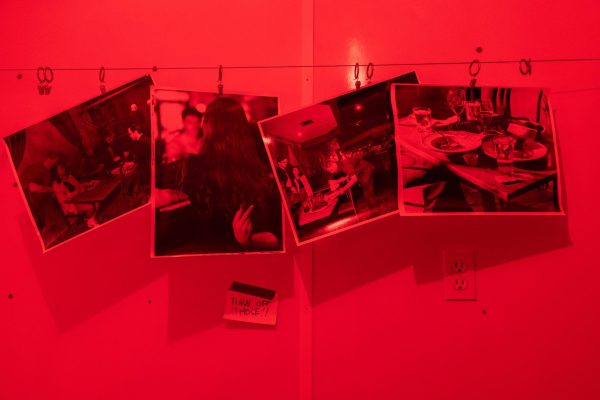
Film has a look and status that has exploded its popularity again without a doubt, but that isn’t the only draw. It isn’t young kids just wanting to be cool and have nice looking photos. There is a sense of ownership over those photos because they’re a physical object.
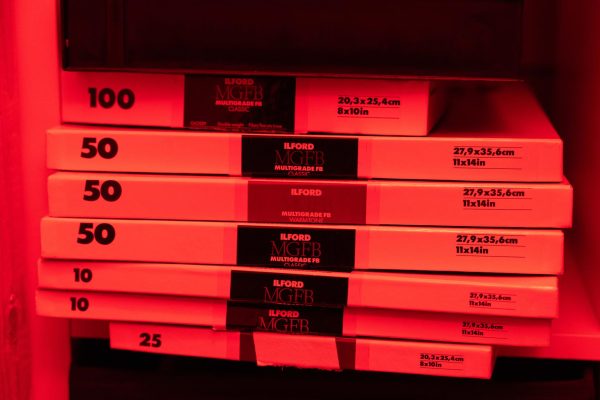
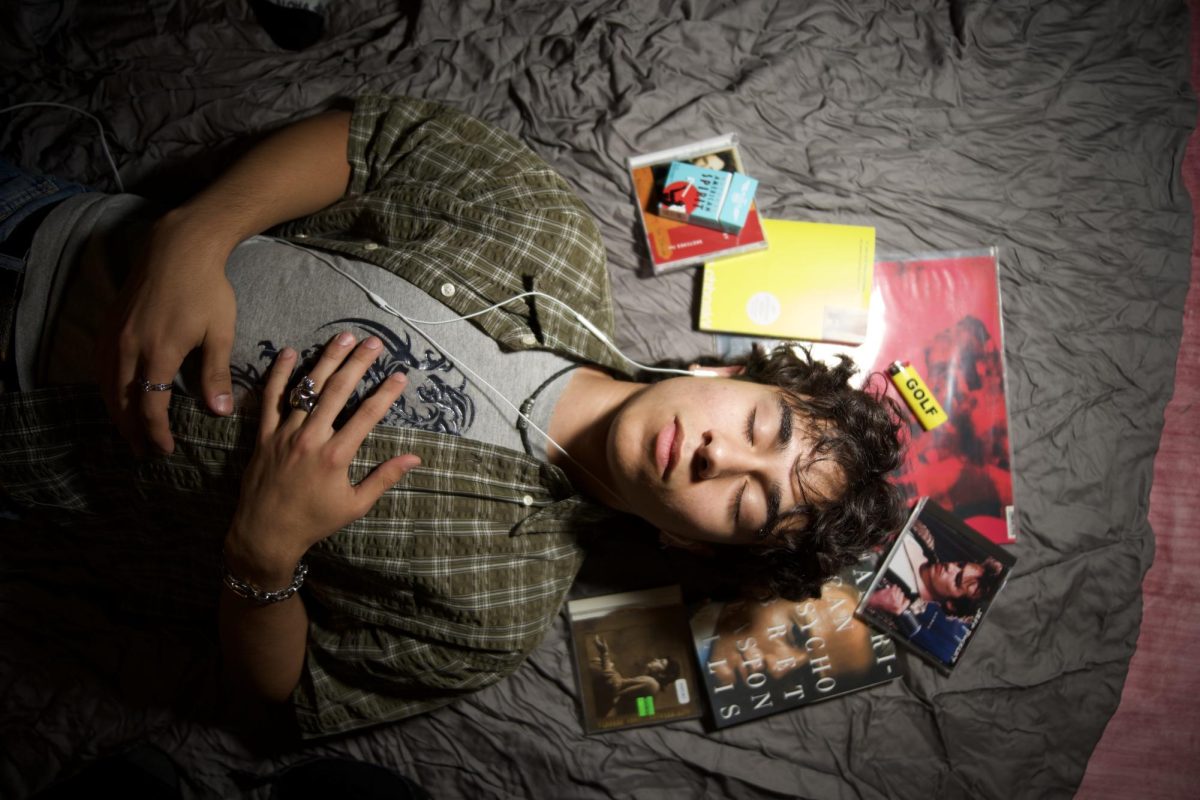
VHS tapes and CDs are things that can’t be changed once they’re made. They can get worn down, scratched or destroyed, but never taken from you. The physicality of those objects means that you own them, and their enjoyment as art cannot be infringed upon by a billionaire. My own copy of “Ocean Eyes” by Owl City isn’t ever going anywhere and I will always have that. Through rising Spotify costs and songs getting taken down because of label disputes, I can play “Fireflies” to my heart’s content, and no one can take that from me.
Wanting to look at magazines, listen to vinyl and CDs and look at printed photos with your friends isn’t just about staying off social media.
The deeper, more important reason is because with physical objects come physical spaces.
And with physical spaces, comes community.
The gravitation toward a physical media renaissance, whether we know it or not, is a community bid. Digital media can and does offer this and has its own impossible-to-ignore benefits, but the community it brings isn’t quite the same.
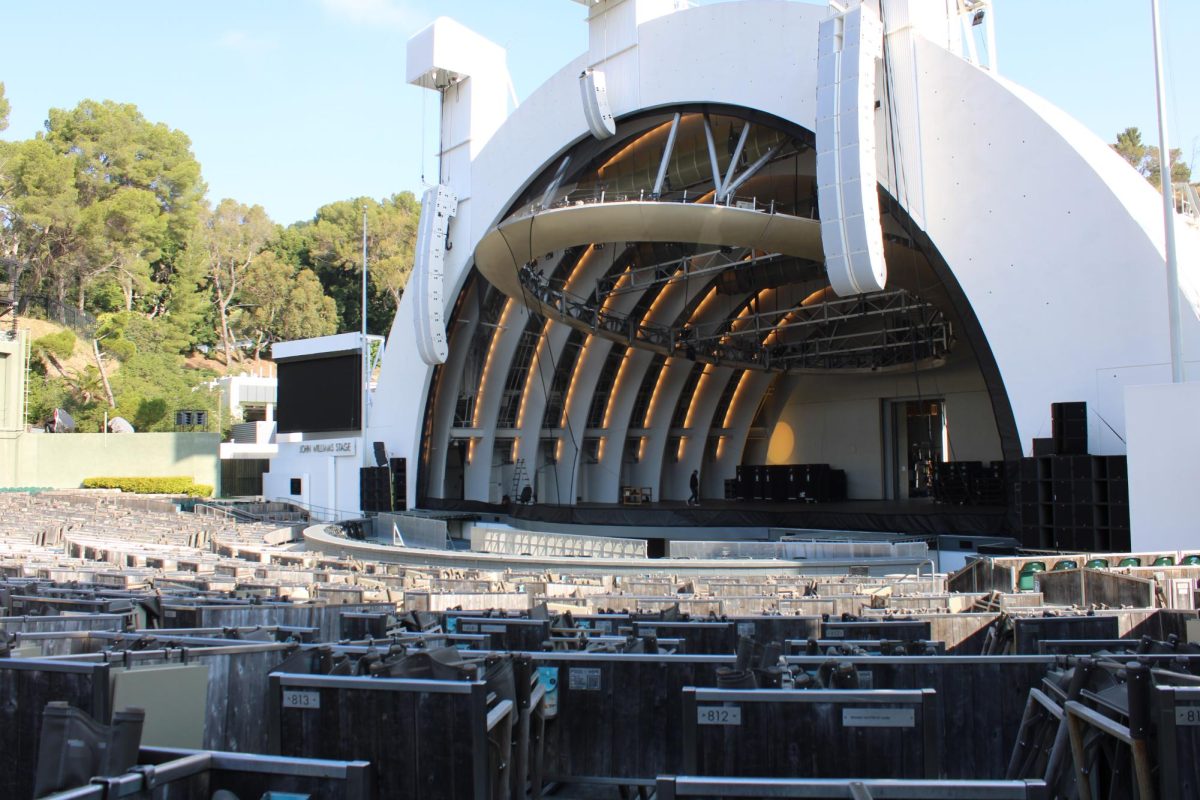
Live music is a place where you not only get to hear a physical instrument played or buy a band tee to directly support the band (without shipping), but also a place where community is formed. In order to get your film developed, if you don’t do it yourself, you have to get to know your local lab. Finding old CDs isn’t just about buying them online, but going to your local record store and getting in touch with your community. Art stops becoming content and entertainment but becomes a physical thing and a place where community is formed.
The return of physical media, above the idea of ownership, trends and looking cool, is a desperate bid young people have made to find, make and be a part of a community. Physical media necessitates getting together and not just streaming movies at home but going to the movie theater. A film photograph, instead of not being limited by endless cloud storage, is a deliberate frame within a predetermined limit. Coachella, or any other music festival, despite its problems, is a place where people get to gather and be together.
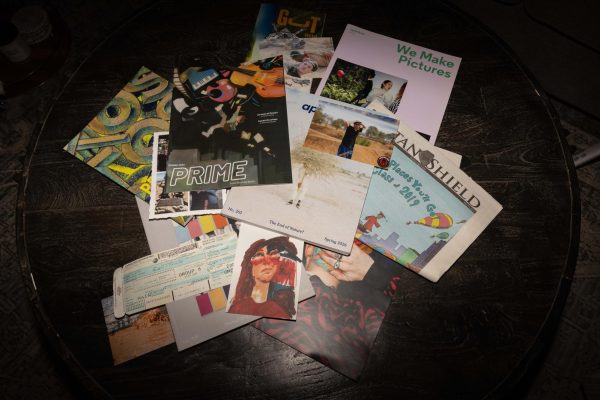
Just like ownership and community never truly went anywhere, neither did physical media. It just got harder to find.